Free UK shipping
Results in under 14 days
UK lab
⭐ Our Biggest Ever Sale — 40% Off All Tests — ends in …
PGx Testing
Resources
CMO
Published 10/09/2025
Pharmacogenetic testing—also known as PGx testing—is completely safe and designed only to help your doctor personalise your medication. Many patients worry about privacy or whether a DNA test reveals more than they’d like. In reality, PGx testing looks only at genes that affect how you process medicines, and in the UK, results are protected under strict data privacy laws like GDPR.
If you’ve ever had side effects from medicines—things like nausea, dizziness, or fatigue—you know how disruptive they can be. Pharmacogenetic testing (PGx) can help explain why these reactions happen and, more importantly, help your doctor choose treatments that reduce the risk.
Published 02/09/2025
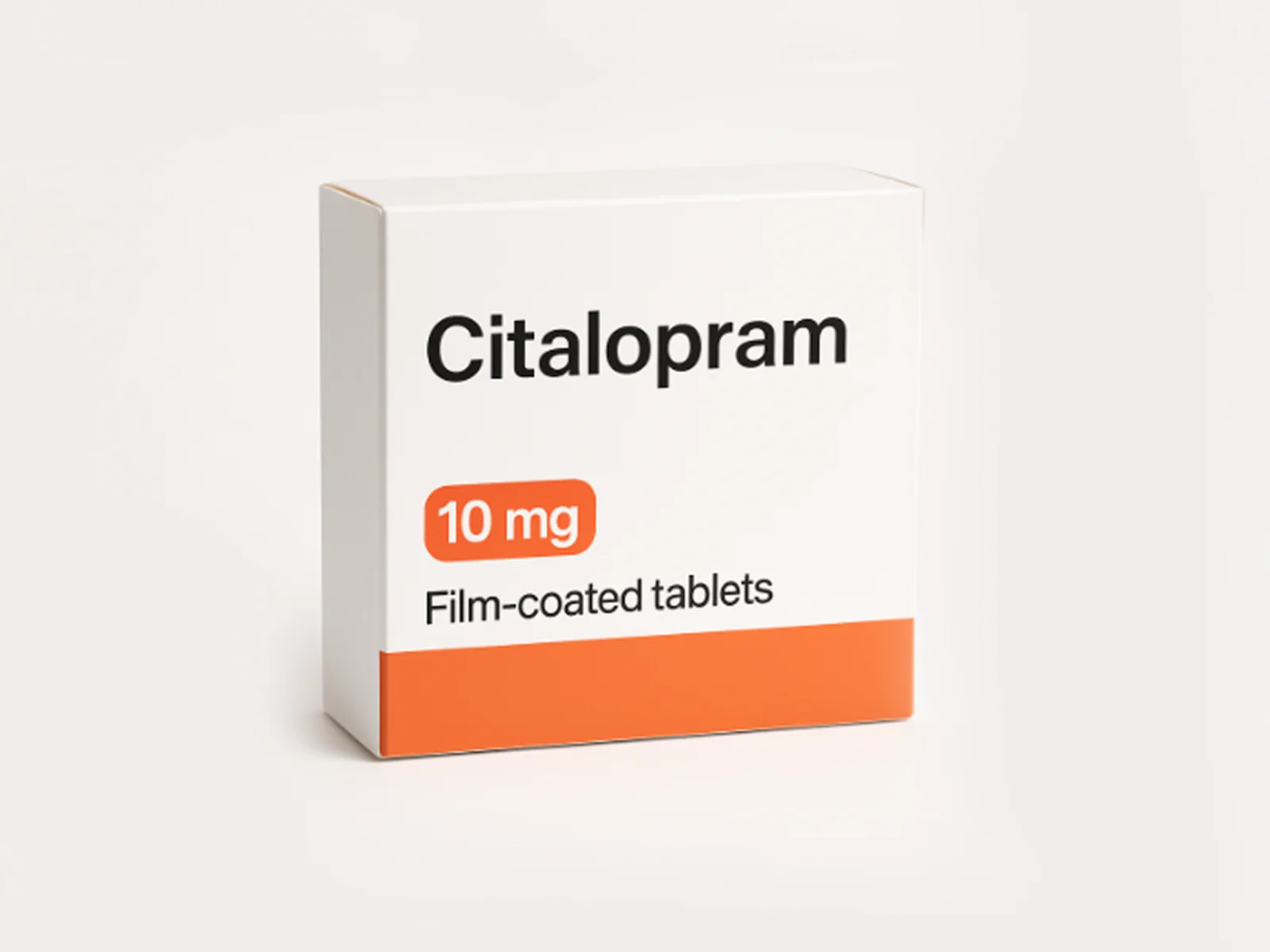
Citalopram is often described as a “cleaner” SSRI because it mostly targets serotonin alone. It can be a good choice for anxiety, but at higher doses it sometimes carries a risk of affecting heart rhythm. Sertraline, on the other hand, also nudges dopamine a little — which can help with motivation and energy. It tends to have fewer issues with the heart and fewer drug–drug interactions.
Published 28/04/2025
Pharmacogenomic testing is becoming increasingly important, particularly in the UK where interest in personalised medicine is growing. But what exactly is it? A pharmacogenomic test is a type of genetic testing for psychiatric medications and other treatments. It's a DNA test that shows how your body responds to different medications.
Published 01/04/2025
A pharmacogenomic test—sometimes called an at-home DNA test for medications—is collected just like most DNA tests: with a simple mouth or buccal swab, collecting cells from the inside of your cheek. This is then sent to our accredited laboratory, where your DNA is analysed and compared with published data on how different genetic types respond to various medications.
Published 06/02/2025
Methotrexate is commonly used to treat rheumatoid arthritis (RA) by inhibiting dihydrofolate reductase (DHFR), which affects folate metabolism and reduces inflammation. However, its effectiveness depends on how efficiently the body processes folate, which is largely influenced by the MTHFR (methylenetetrahydrofolate reductase) gene.
Published 21/01/2025
As an everyday consumer or patient, you have more control over your medication options than you might think. If you’re dealing with anxiety or depression, drugs like citalopram, escitalopram, and sertraline are commonly recommended. The choice often depends on your symptoms, your history with side effects, potential interactions with other medications, or even foods!
When speaking with doctors in the field of mental health, we’ve identified several recurring themes that highlight the importance of pharmacogenomic testing in the UK. These are: Addressing serious medical conditions, mitigating serious side effects, reducing the financial burden of expensive medications, optimising outcomes when time is limited.
 Free UK shipping
 Results in under 14 days
 UK labFree UK shippingResults in under 14 daysUK lab